
Most roofing websites look the same to Google: a home page, a gallery, a contact form and one “Services” page listing everything from gutter cleans to full re-roofs. Then the owner wonders why the competitor with the worse reviews ranks above them. Good SEO for roofers is about giving Google, and homeowners, a clear picture of exactly what you do and where you do it.
Here are the nine steps we use to help roofing companies rank for the jobs that pay best.
Quick Answer
- SEO for roofers starts with a complete Google Business Profile and a separate page for each roofing service.
- Tiled roof and metal roof work should have their own pages, because customers search for them differently.
- Reviews, real job photos and suburb pages build rankings over 3 to 6 months.
1. Separate Your Tiled and Metal Roofing Services
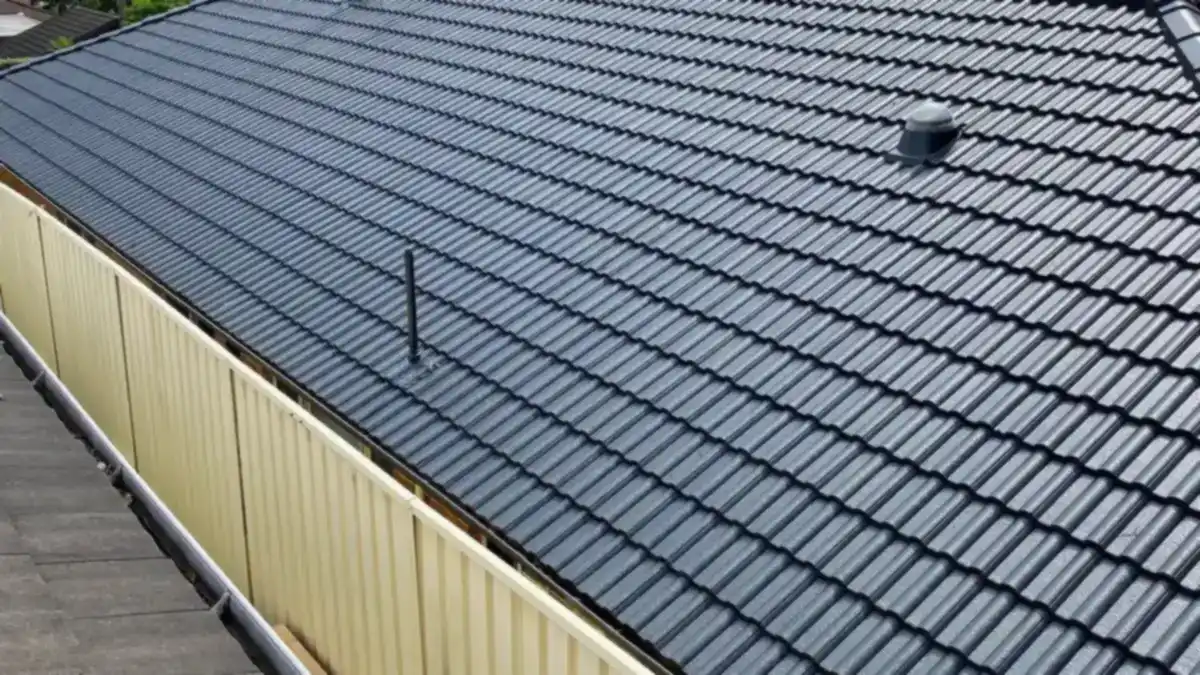
Homeowners with tiled roofs search for “roof restoration”, “ridge cap repointing” and “cracked roof tiles”. Homeowners with metal roofs search for “Colorbond roof replacement”, “re-roofing” and “new gutters”. If you do both, build separate sections of your website for each. If you only do one, make that obvious. It’s the foundation of SEO for roofers that actually brings in the right enquiries.
2. Create a Page for Every Roofing Service
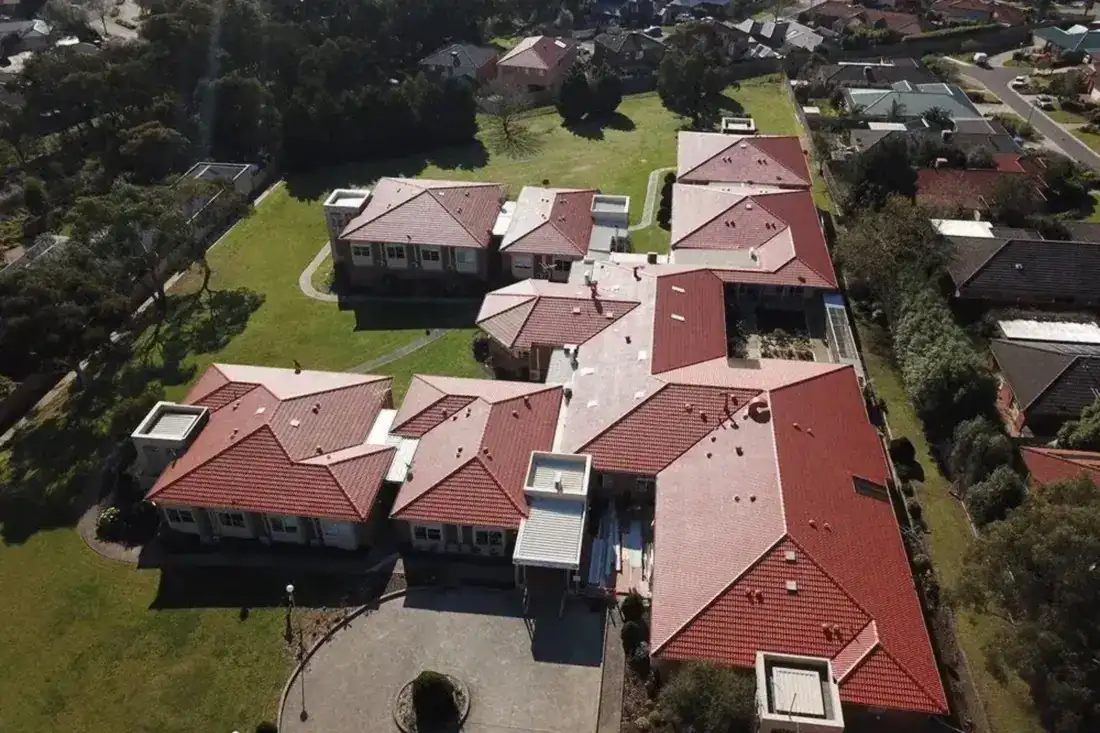
Each service you want to rank for needs its own page. For a typical roofing business that might be:
- Roof restorations
- Roof repairs and leak repairs
- Ridge cap rebedding and repointing
- Re-roofing and Colorbond roof replacement
- Tile-to-Colorbond conversions
- Gutters, downpipes and gutter guard
- Storm damage repairs
Each page should explain the problem, your process, materials, warranty, typical timeframes, real photos, FAQs and a clear call to action.
3. Optimise Your Google Business Profile
Set your primary category to Roofing contractor, list every roofing service, set an accurate service area and upload new job photos every week. For most roofers, the map pack produces more calls than organic results, so this is where SEO for roofers often pays off first. Here’s our full Google Business Profile guide.
4. Show Your Work With Before-and-After Photos
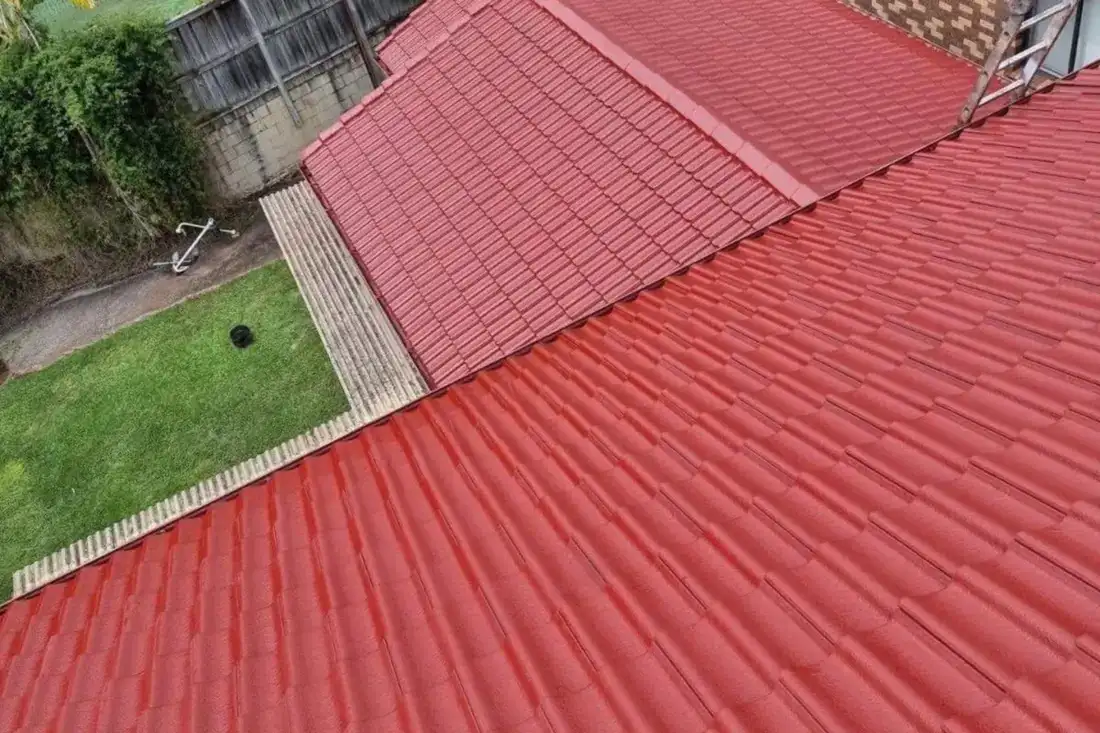
Roofing is a visual trade. Before-and-after galleries on every service page build trust and keep people on your site longer. Name your image files clearly and add descriptive alt text (“tiled roof restoration in Frankston, before and after”) so Google understands them too.
5. Build Helpful Suburb Pages
If you want more work in particular areas, create suburb pages that are genuinely useful: jobs you’ve done nearby, common roof types in that area, local weather issues like coastal salt or hail, and photos from real local jobs. Avoid copy-and-paste pages with only the suburb name changed.
6. Collect Reviews That Mention the Job
Ask customers to mention what you did in their review, for example “restored our tiled roof in Mornington”. Reviews that mention services and suburbs help your local rankings and convince the next customer. Our Google reviews guide has SMS templates.
7. Make Your Site Fast and Easy on Mobile
Many roofing searches happen on a phone, sometimes while water is dripping through the ceiling. A slow site or a hidden phone number loses the job. Compress your photos, keep pages light and put a tap-to-call button in the header.
8. Earn Links From Suppliers and Local Businesses
Ask suppliers, manufacturers you’re accredited with, builders you work with and local organisations to link to your website. A handful of relevant local links does more for SEO for roofers than hundreds of low-quality directory links.
9. Answer Real Customer Questions
Write helpful articles answering what homeowners actually ask: “How much does a roof restoration cost?”, “Restore or replace my roof?”, “How long does Colorbond last?” These pages attract people early in their research and link through to your service pages.
How Long Does SEO for Roofers Take?
Usually three to six months for meaningful results, depending on competition in your area. That’s why many roofers pair SEO with Google Ads in the meantime. Once rankings build, the ad budget can be reduced. See Google Ads for roofers for the paid side, and our roofing leads guide for the full mix.
Mistakes That Hold Back SEO for Roofers
- One generic services page instead of a page per job.
- Stock photos instead of real roofs you’ve worked on.
- Ignoring the Google Business Profile.
- Copied suburb pages with no local detail.
- Not tracking how many calls and forms come from search.
If you’d like help, our SEO services for tradies are built around exactly these steps.

A 90-Day SEO for Roofers Plan
If you are starting from scratch, this is the order we recommend:
- Weeks 1 to 2: Claim and complete your Google Business Profile. Fix your business details everywhere online.
- Weeks 3 to 6: Build or rewrite a page for each roofing service, with real photos and FAQs.
- Weeks 7 to 10: Add suburb pages for your three best areas and start a weekly review request routine.
- Weeks 11 to 13: Ask suppliers and partners for links, publish two helpful articles and review your enquiry numbers.
SEO for roofers rewards consistency. The roofing businesses that win are the ones that keep adding photos, reviews and useful pages month after month, long after competitors give up. If you want to check the technical basics yourself, Google’s SEO Starter Guide is a good free resource, and it applies to SEO for roofers just as much as any other local business.
The bottom line: SEO for roofers is a long game, but it is the one that lowers your cost per job year after year.
Frequently Asked Questions
Is SEO for roofers worth the investment?
Yes for most established roofing businesses. Organic and map pack leads don’t cost per click, and roofing jobs are high value, so rankings pay back well over time.
What pages should a roofing website have?
A home page, a page for each roofing service, suburb pages for key areas, a gallery or projects page, reviews, an about page and a clear contact page.
Do roofers need a blog?
It helps but isn’t the first priority. Get your service pages and Google Business Profile right first, then add helpful articles.
How do I rank in Google Maps as a roofer?
Complete your Google Business Profile, choose Roofing contractor as your primary category, add photos weekly and build a steady flow of reviews.
Should I target “roofer near me”?
You can’t add “near me” to your pages meaningfully. Instead, set your service area, optimise your Google profile and build suburb pages. Google handles the “near me” matching.
Free strategy call
Want More Jobs Like These? Let’s Map Out Your Lead Plan.
Tell us your trade, your area and the jobs you want more of. We will show you where your leads should come from, what they are likely to cost and how fast you can expect results. No lock-in contracts, no pressure.
- Exclusive leads, never shared
- Clear reporting on cost per lead and jobs won
- 50+ five-star Google reviews from Australian tradies
